
What is HTTPS and SSL?
HTTP stands for Hypertext Transfer Protocol. It’s the format used to send websites from servers to your computer. HTTPS is the same protocol but the S means Secure, data travelling between web server and users is encrypted.
SSL (Secure Sockets Layer) is the technology creating website security. Secure websites display an SSL Certificate, issued by security companies and verified by your browser. This confirms you’re on the legitimate site and your activity cannot be intercepted by hackers.
Always enter sensitive information only on secure websites. Any site requesting email addresses, passwords, or credit card details must be secure or you risk data theft.
How to tell if a Website is Secure
Check your browser’s address bar. Google Chrome displays “Secure” in green text; Apple Safari shows a padlock icon.
The Brink Media website is secure, examine your address bar to see how secure sites appear.
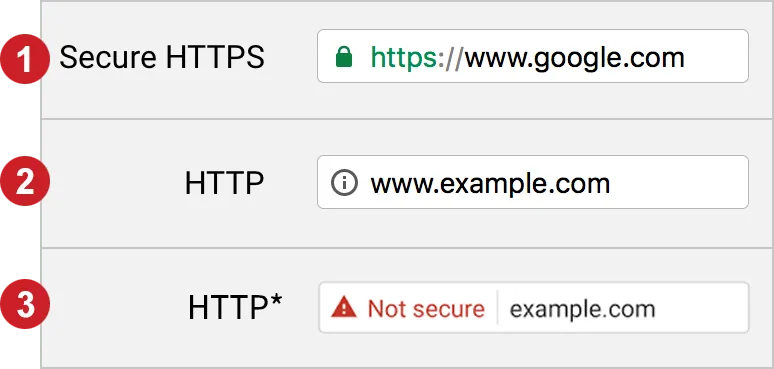
Chrome Security Indicators
- Green secure badge = valid SSL Certificate
- Standard URL = no SSL Certificate (not secure; avoid entering data)
- Warning symbol = dangerous/unsafe website (avoid downloads and data entry)
What’s the advantage of a secure website?
Building client trust: Visitors know their information is protected and safe.
Faster loading: HTTPS enables quicker data transfer between server and browser, improving page speed.
Google rankings: Search engines prioritise secure websites, improving search visibility.
Data protection: Under GDPR and UK privacy regulations, unencrypted data breaches create liability and potential fines.
Cost-effective: Free SSL Certificates from reputable providers work as well as paid options with no practical drawbacks.
How to secure my website?
Contact your website administrator or web design company. Installing SSL Certificates shouldn’t cost much and provides substantial benefits.
Brink Marketing includes free SSL Certificates for all web design clients and hosted websites. If you lack web support or need assistance, call us at 01507 733700 for help.